안과 밖
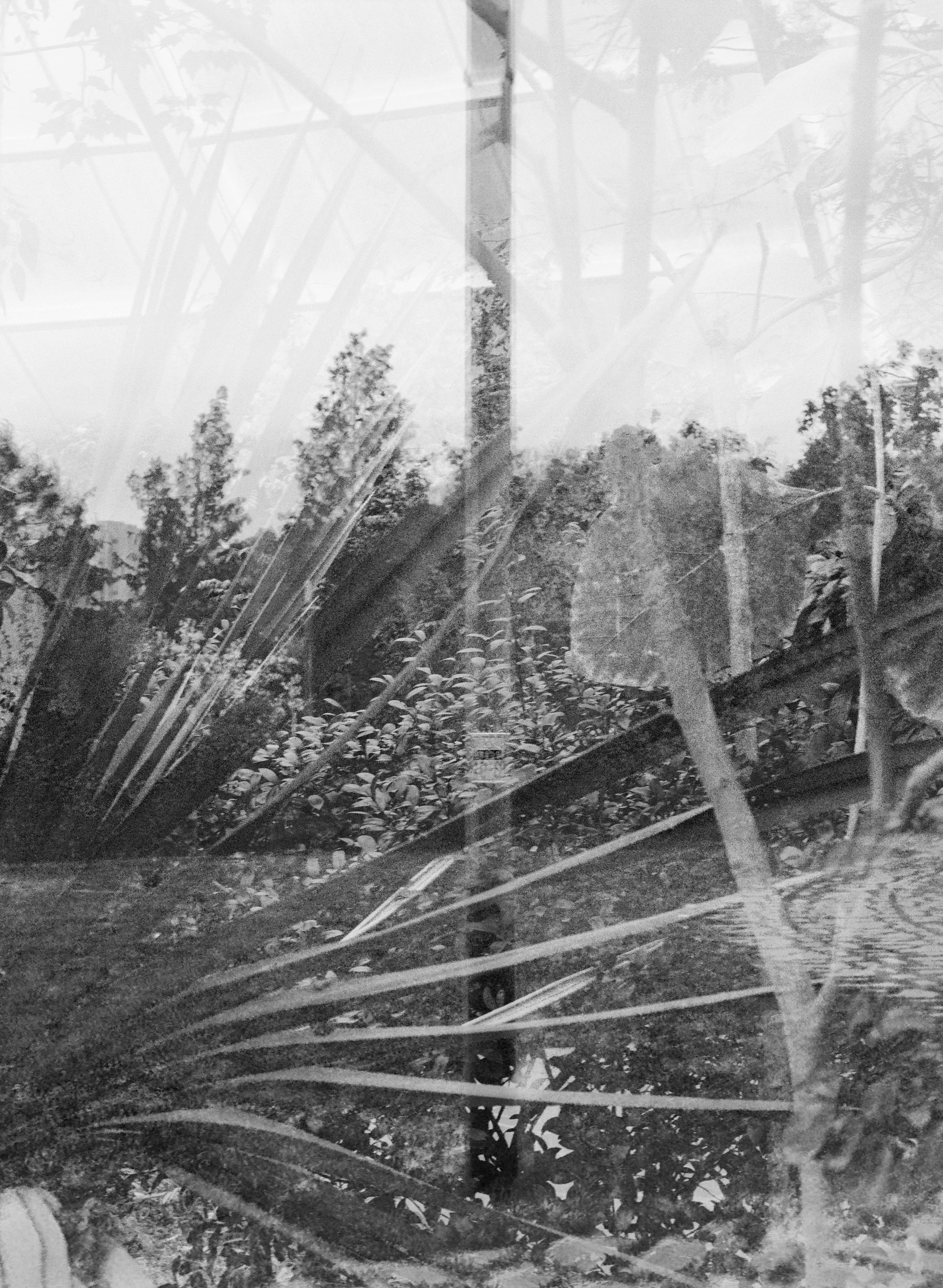
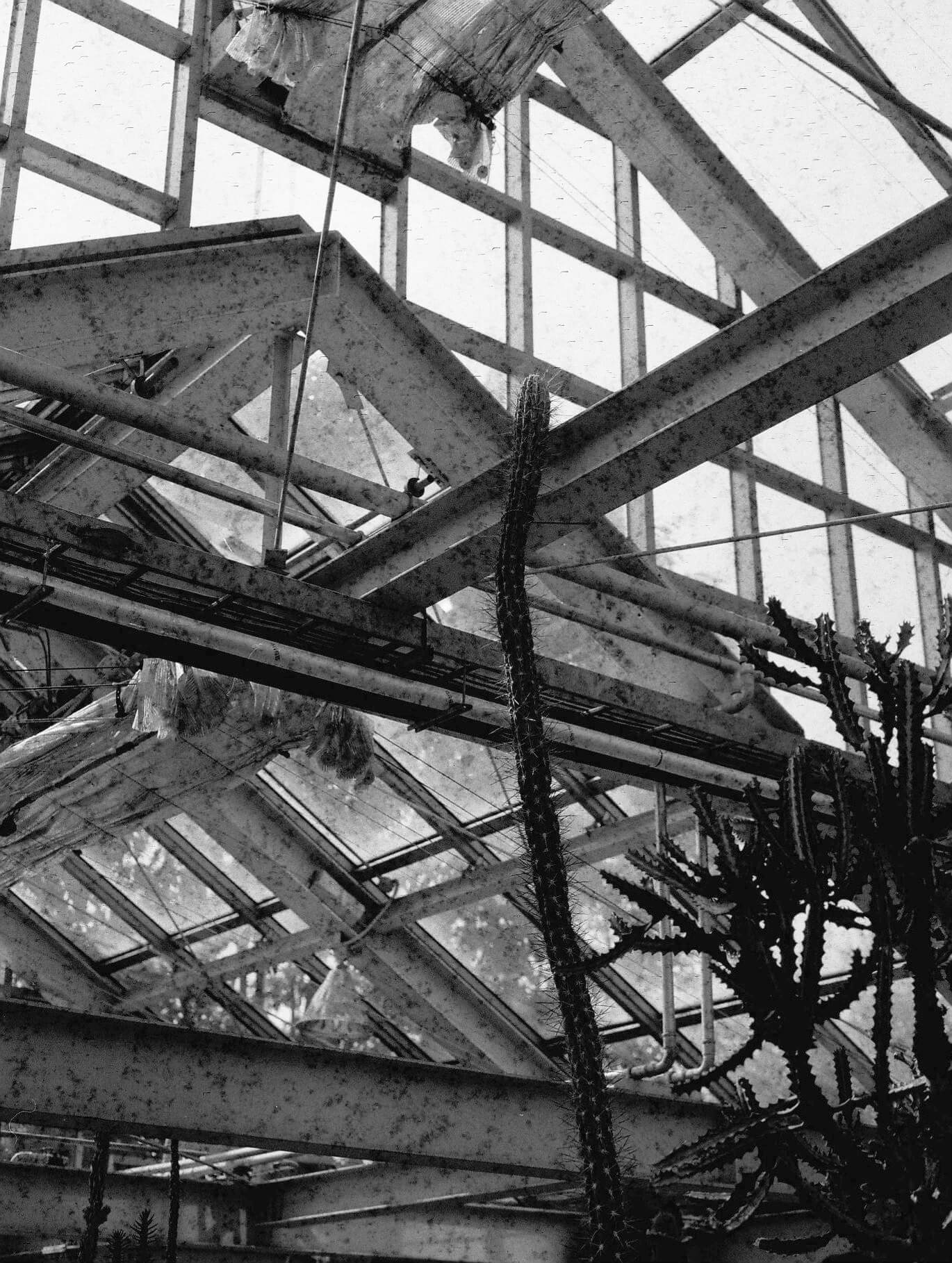
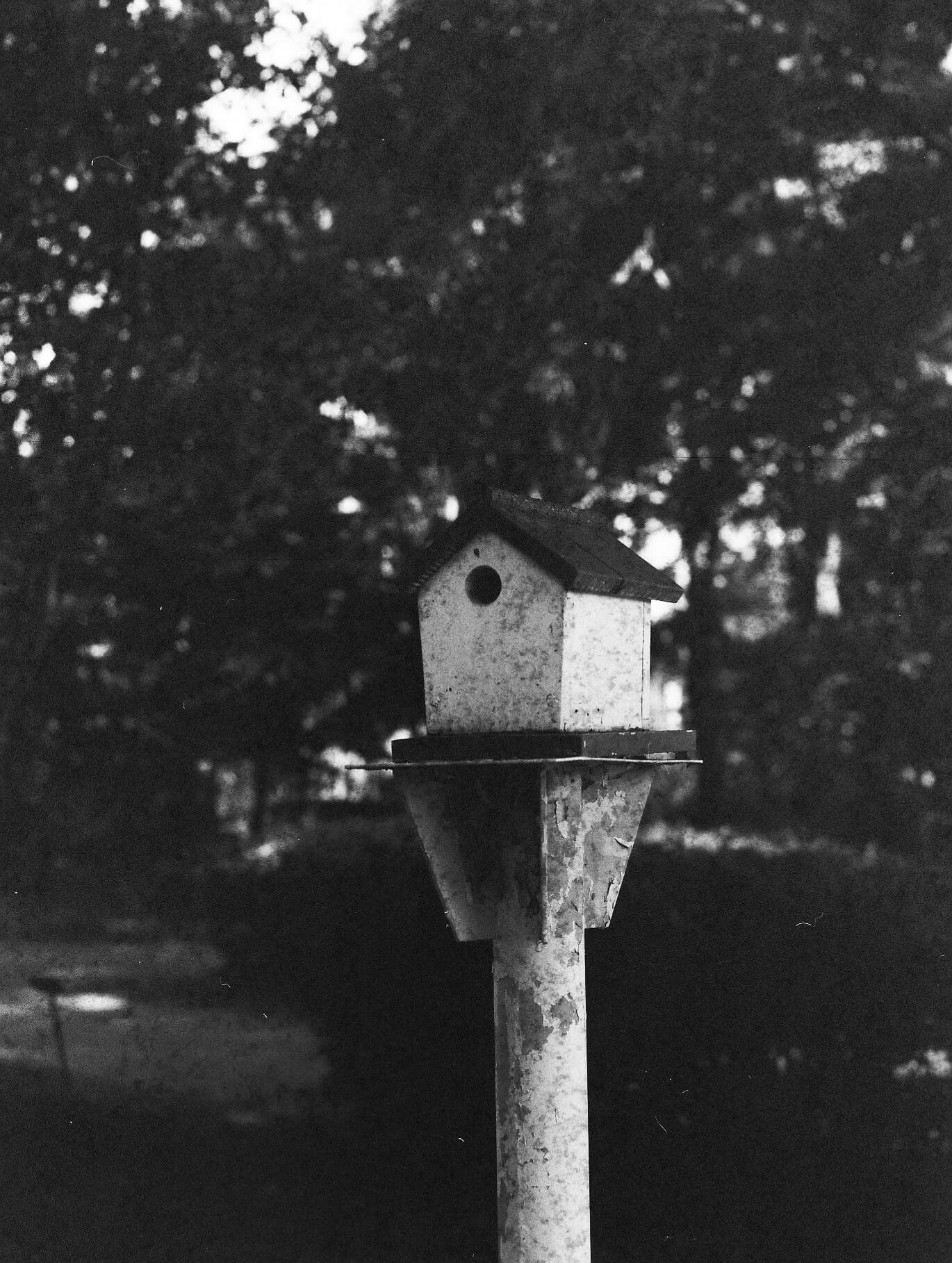
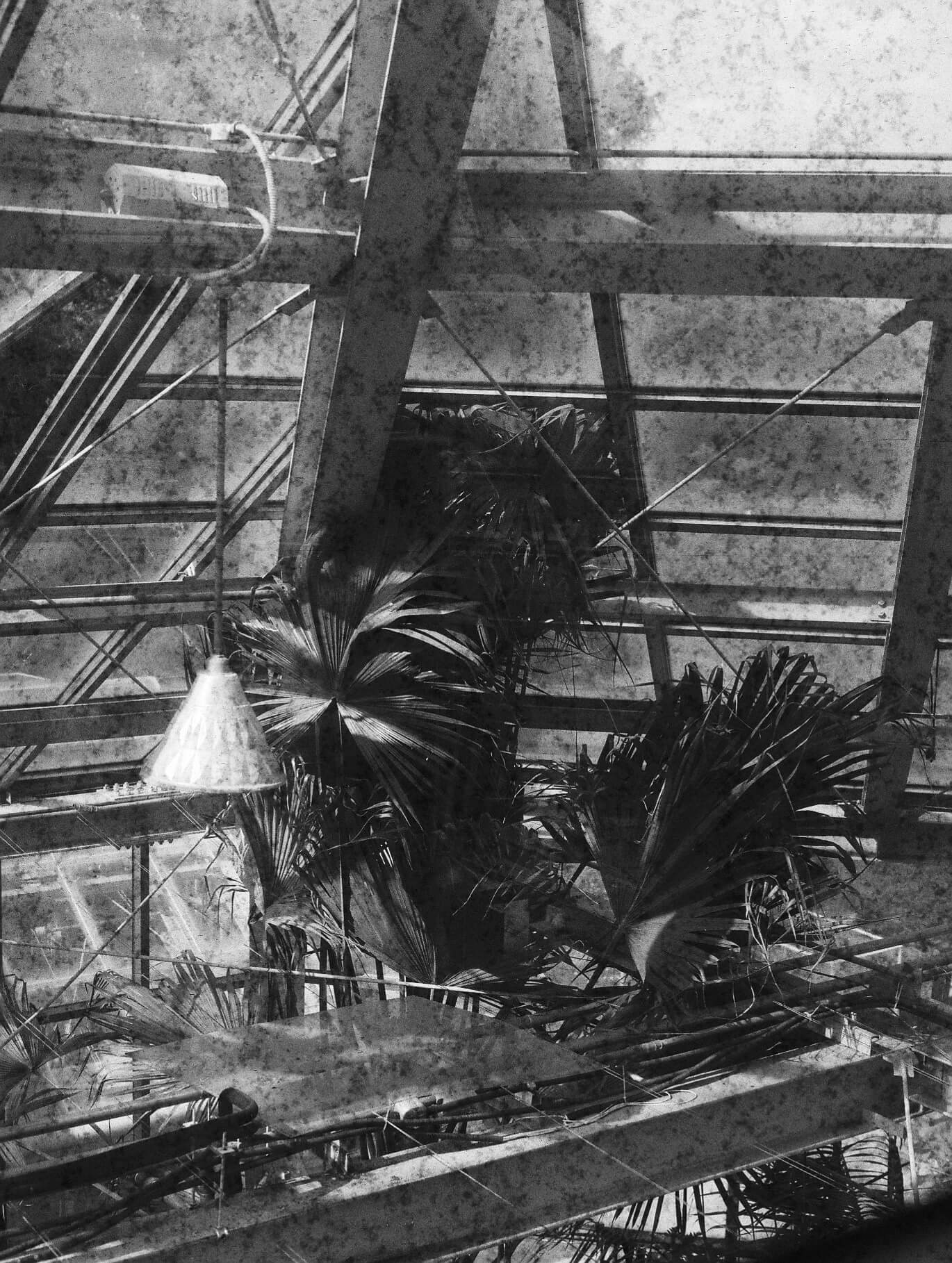
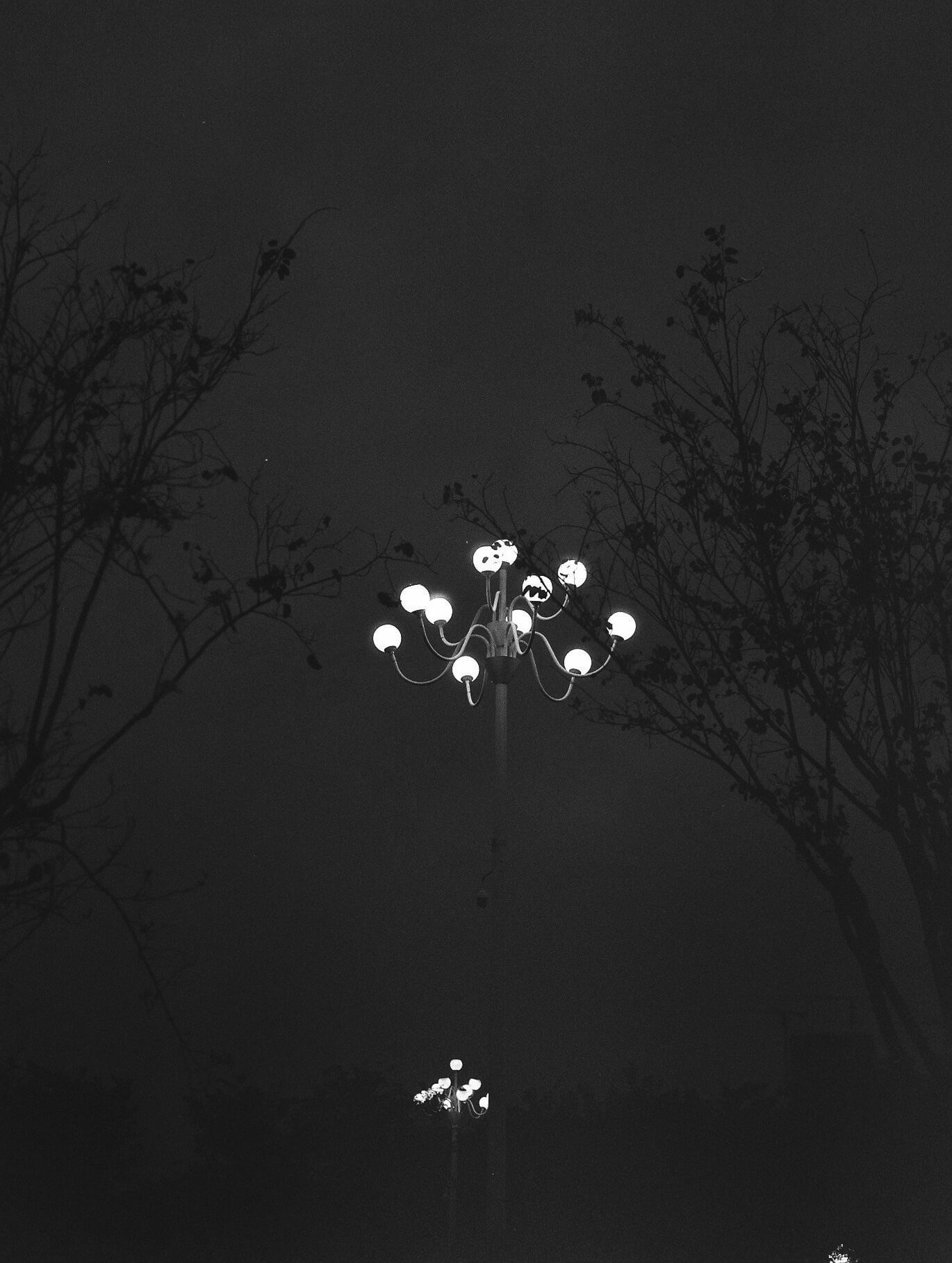
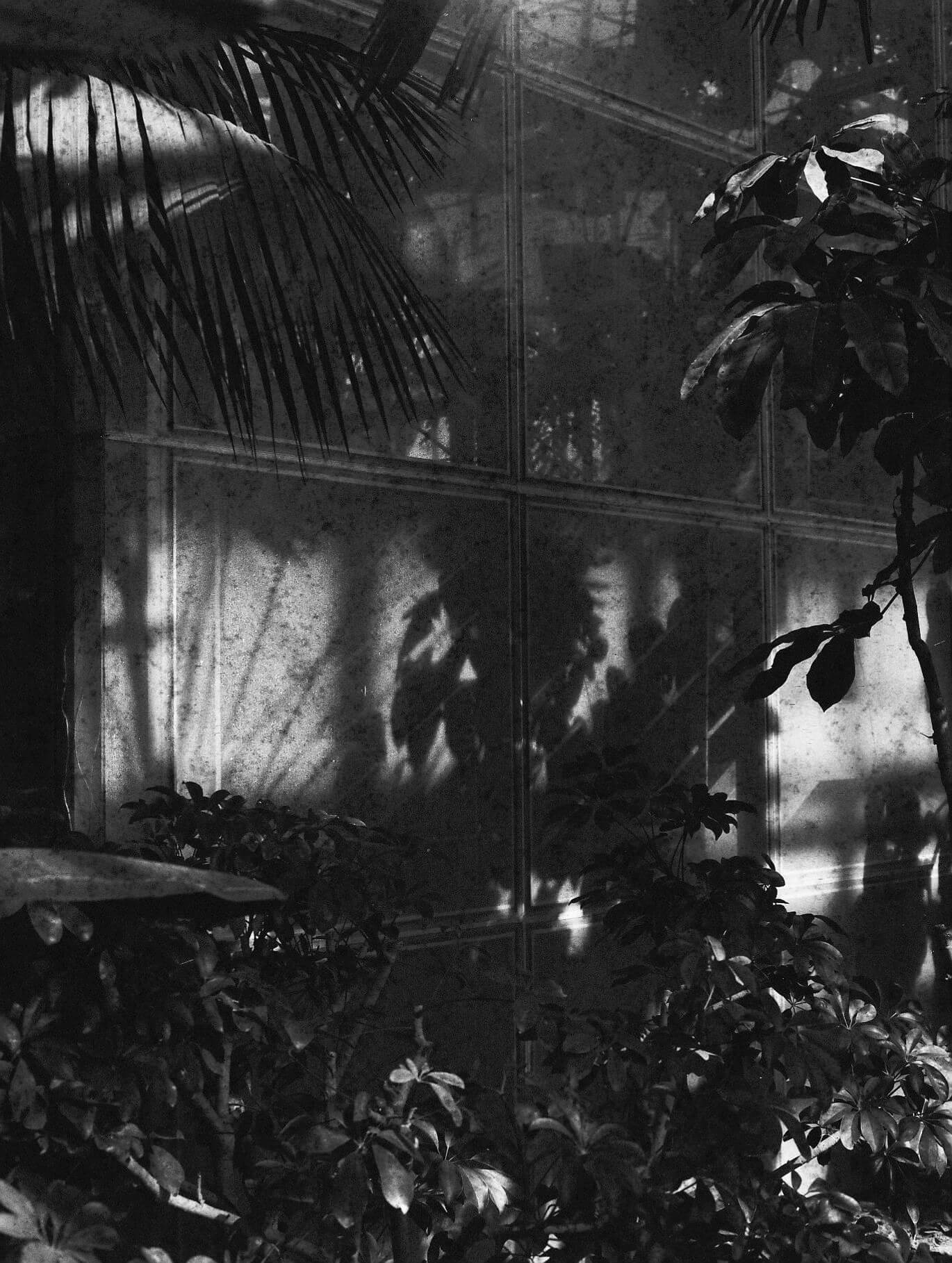
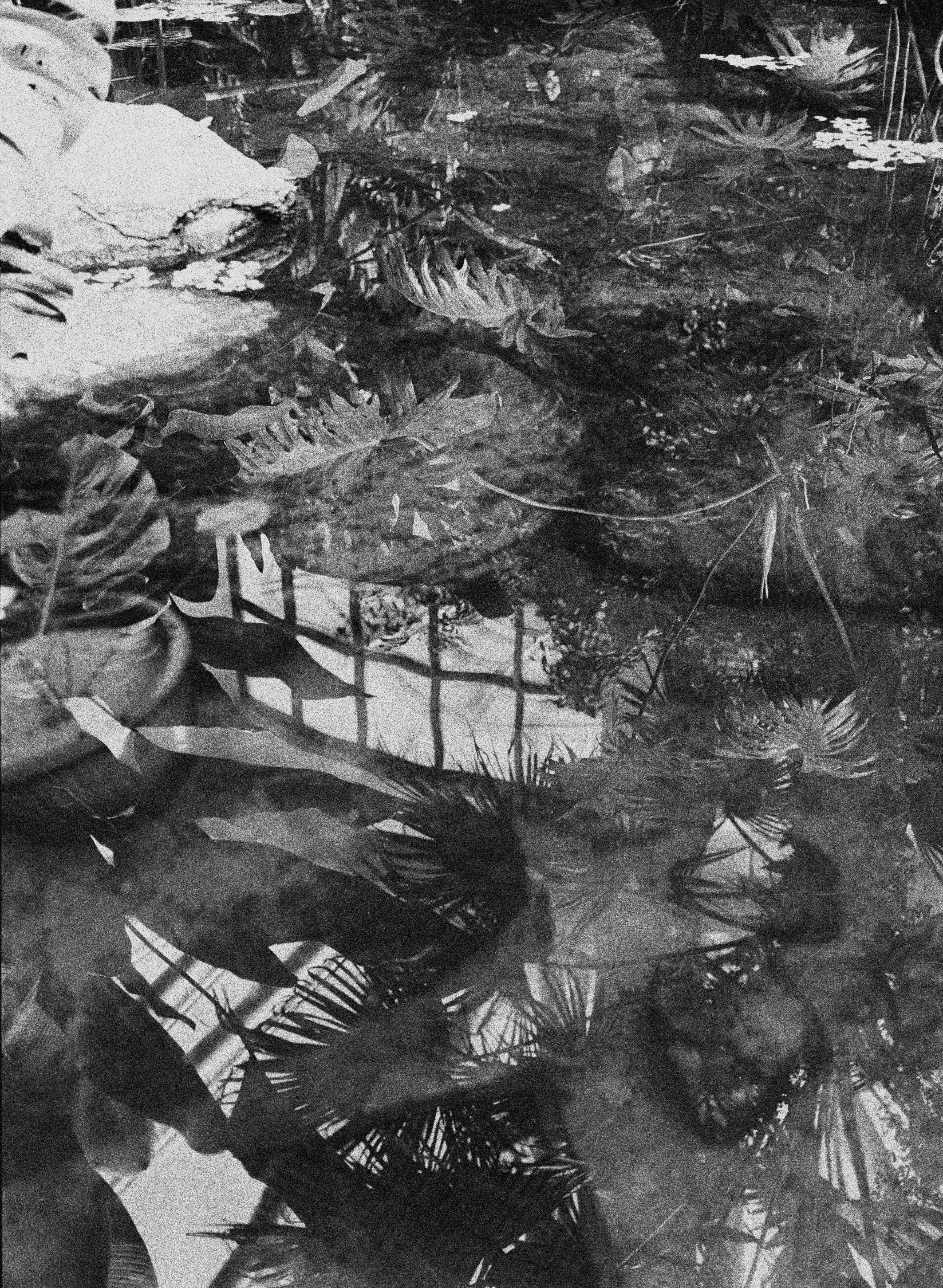
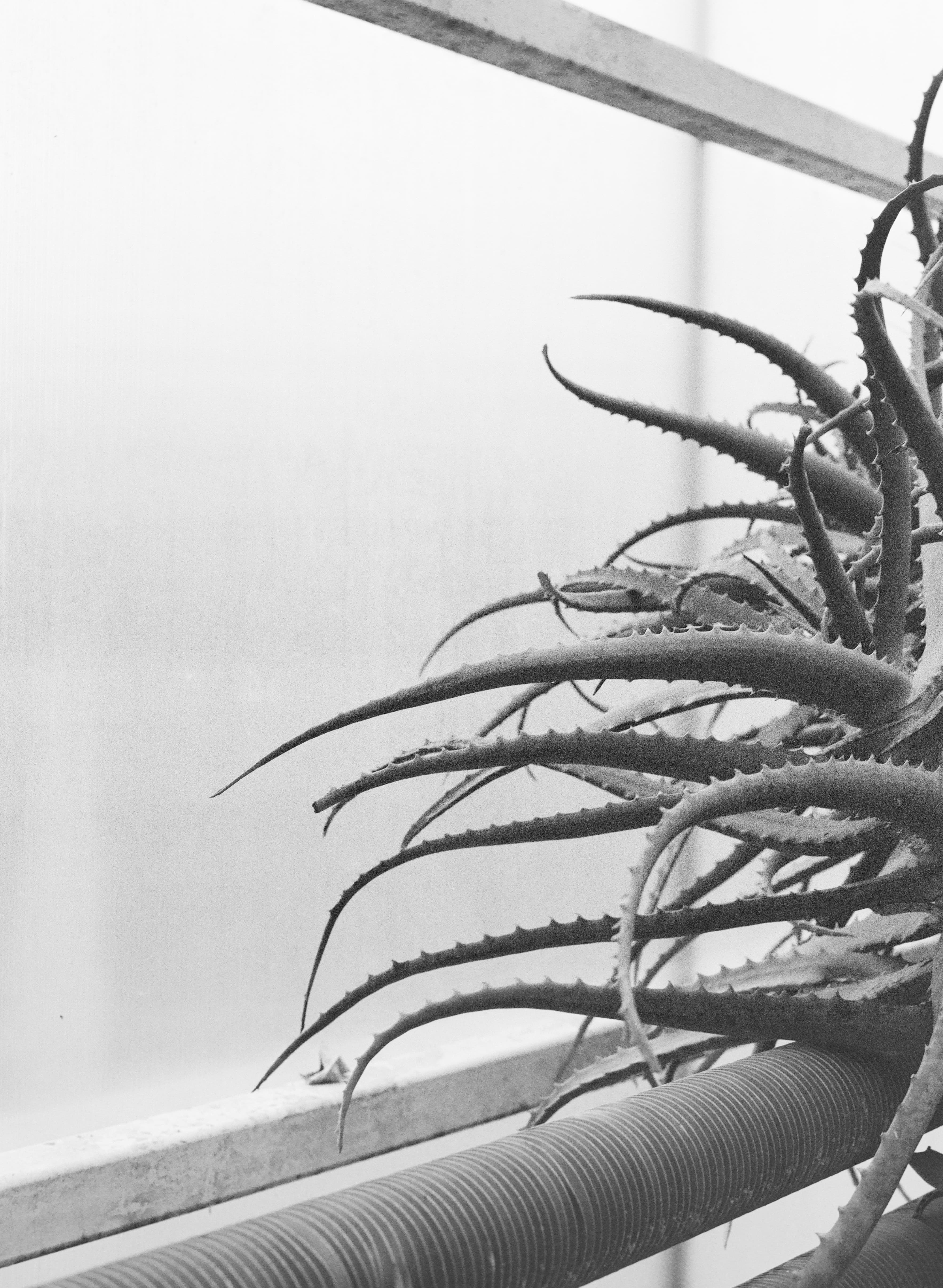
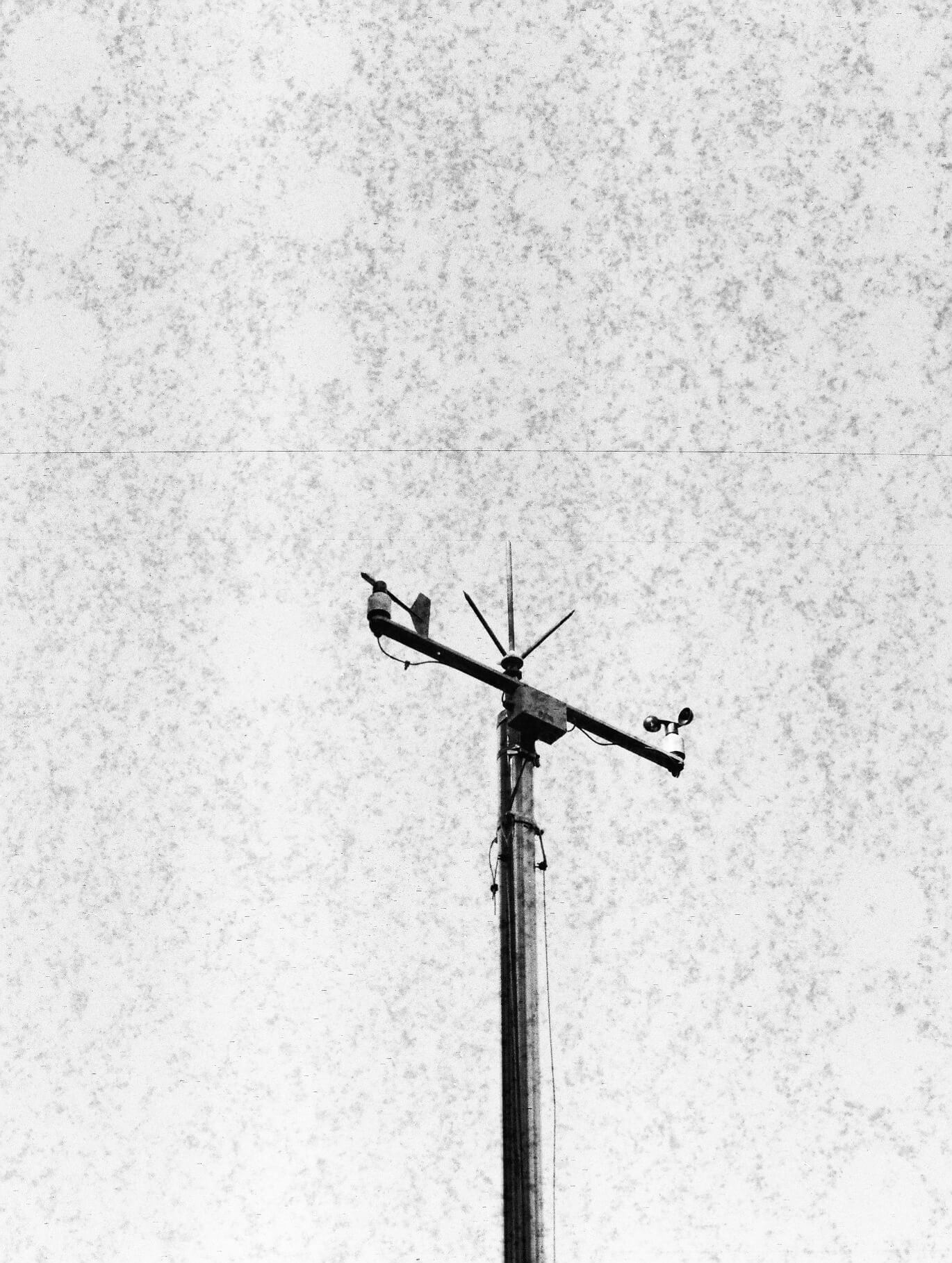
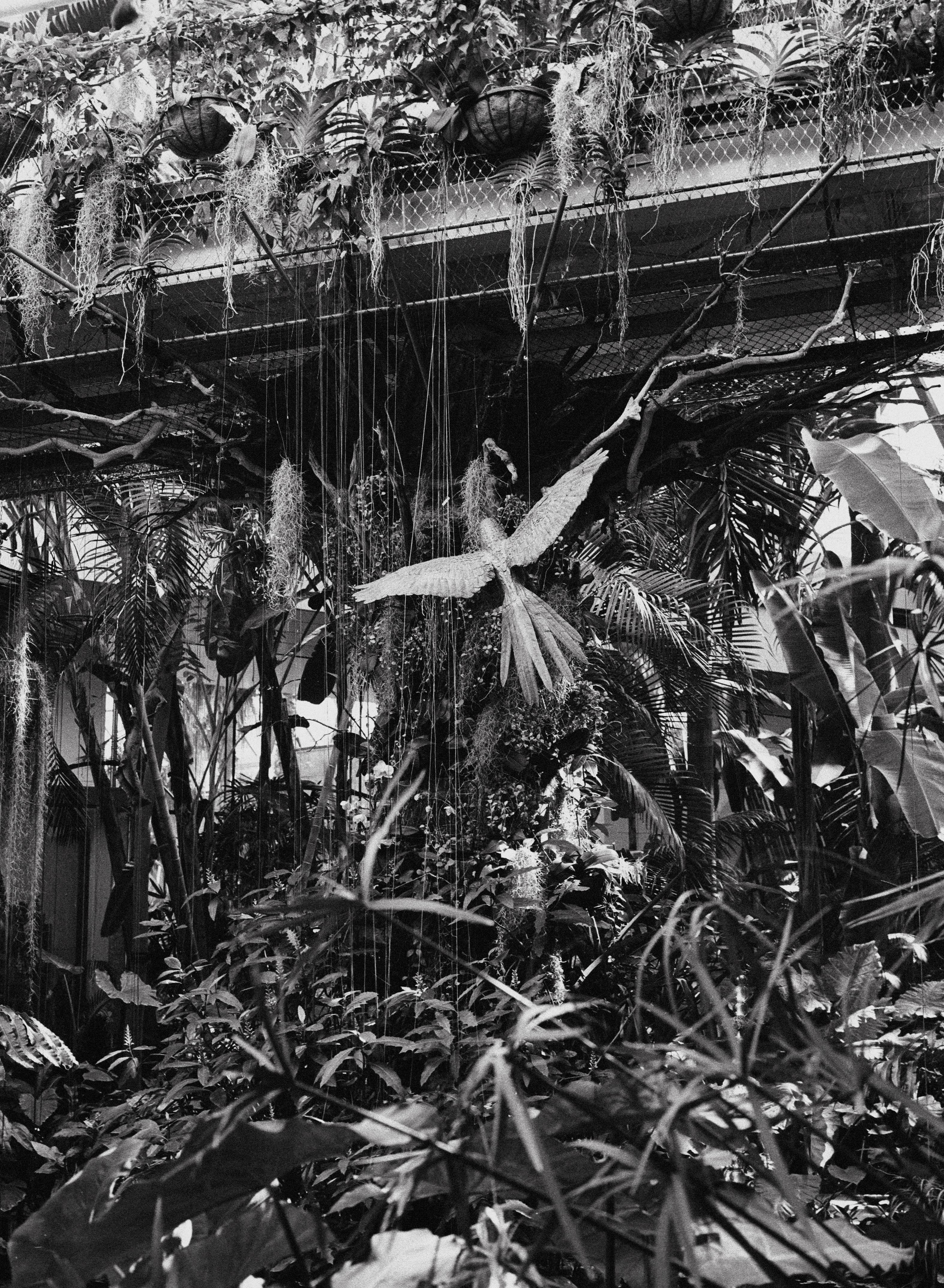
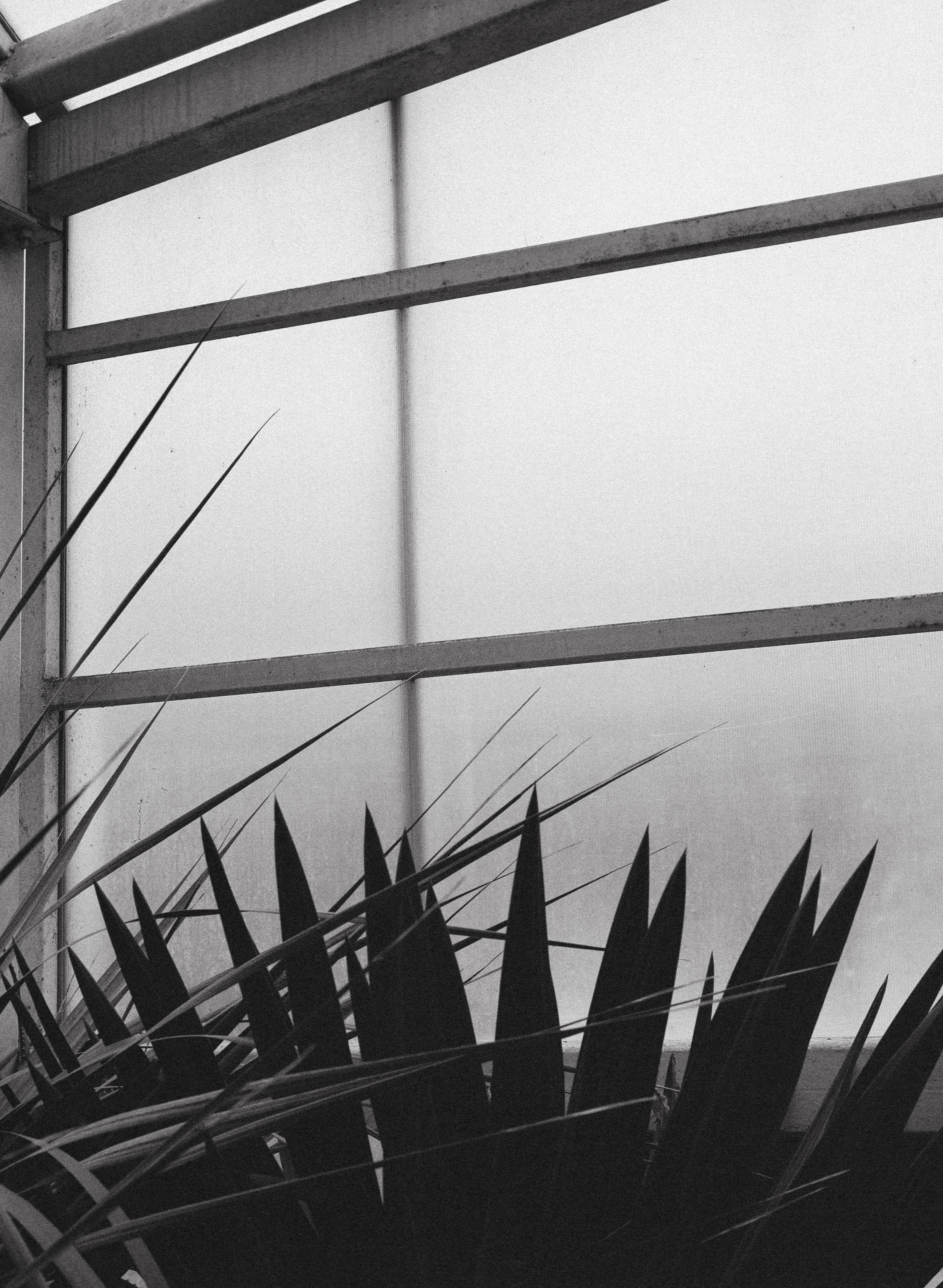
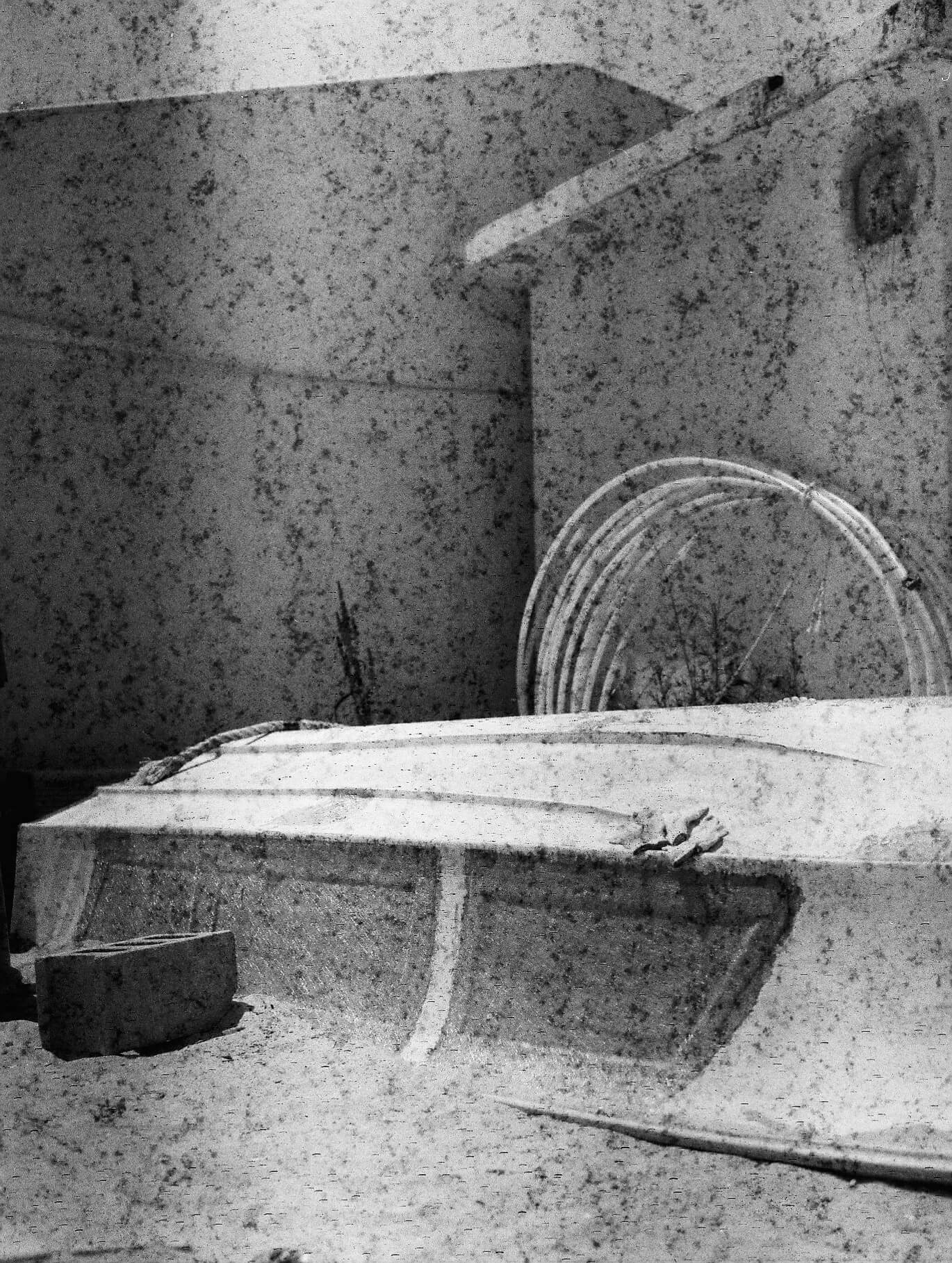

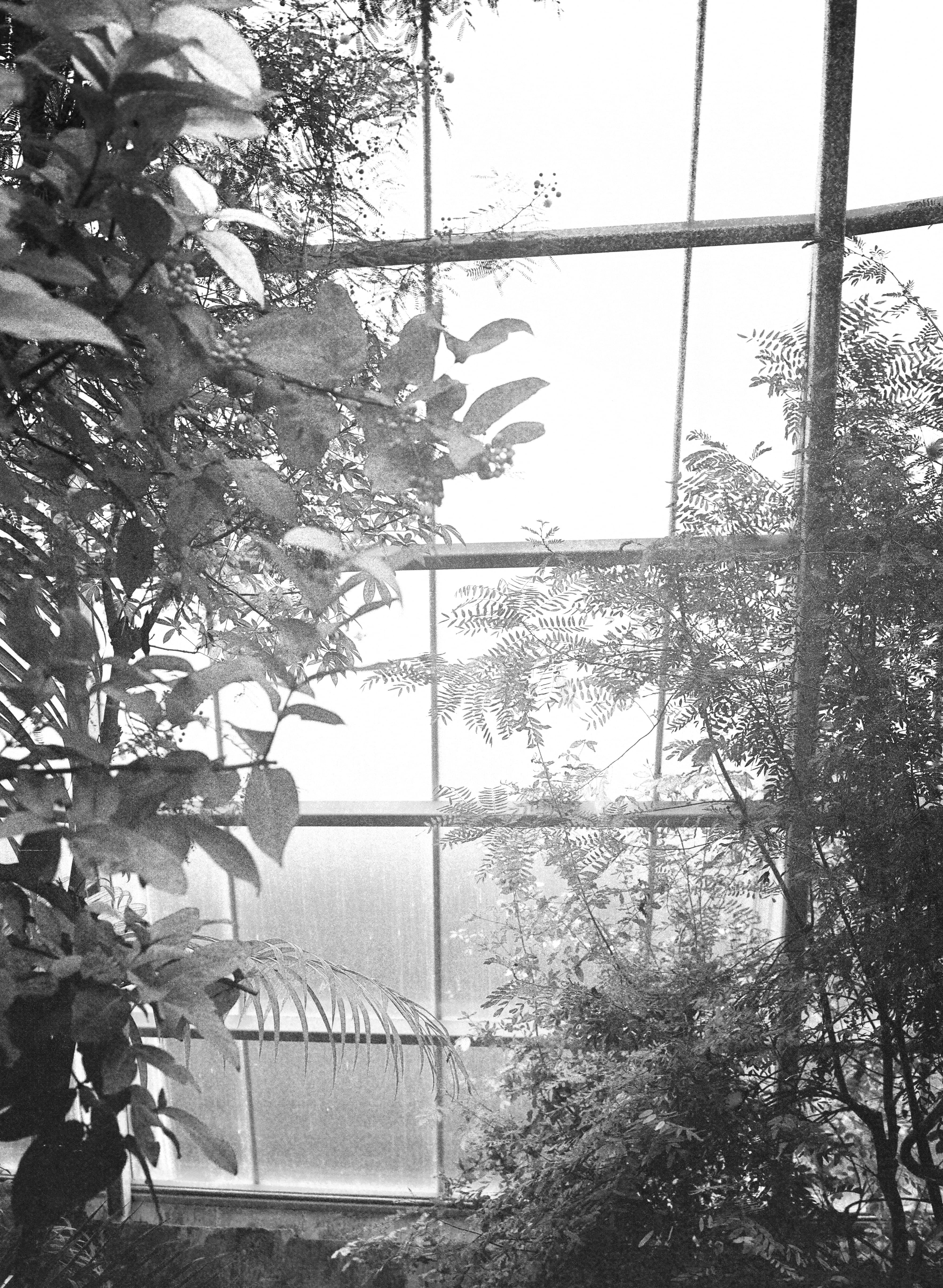
아무 일도 일어나지 않았으면 좋겠다고 생각하는 때가 있다. 그런 날은 방안 소파에 누워서 꿈쩍하지 않는다. 집 안에서도 약간의 소음과 작은 위험들이 있지만, 정도가 비교적 덜하다는 이유로 바깥보다 안전하다고 느낀다. 그리고 밖으로 향한 어느 날 온실을 만났다. 외부와는 다른 습도와 온도가 피부에 닿았고, 내부는 빛으로 가득 차 있었다. 그런 구조 덕분에 희게 눈이 내린 날 온실 안에선 꽃을 볼 수 있고, 잎이 붉게 물든 날도 여전히 푸른 나무가 있다. 높은 층고 때문에 멀리서 나는 소리는 더 크게 들리고, 식물들은 천장까지 닿아있다.
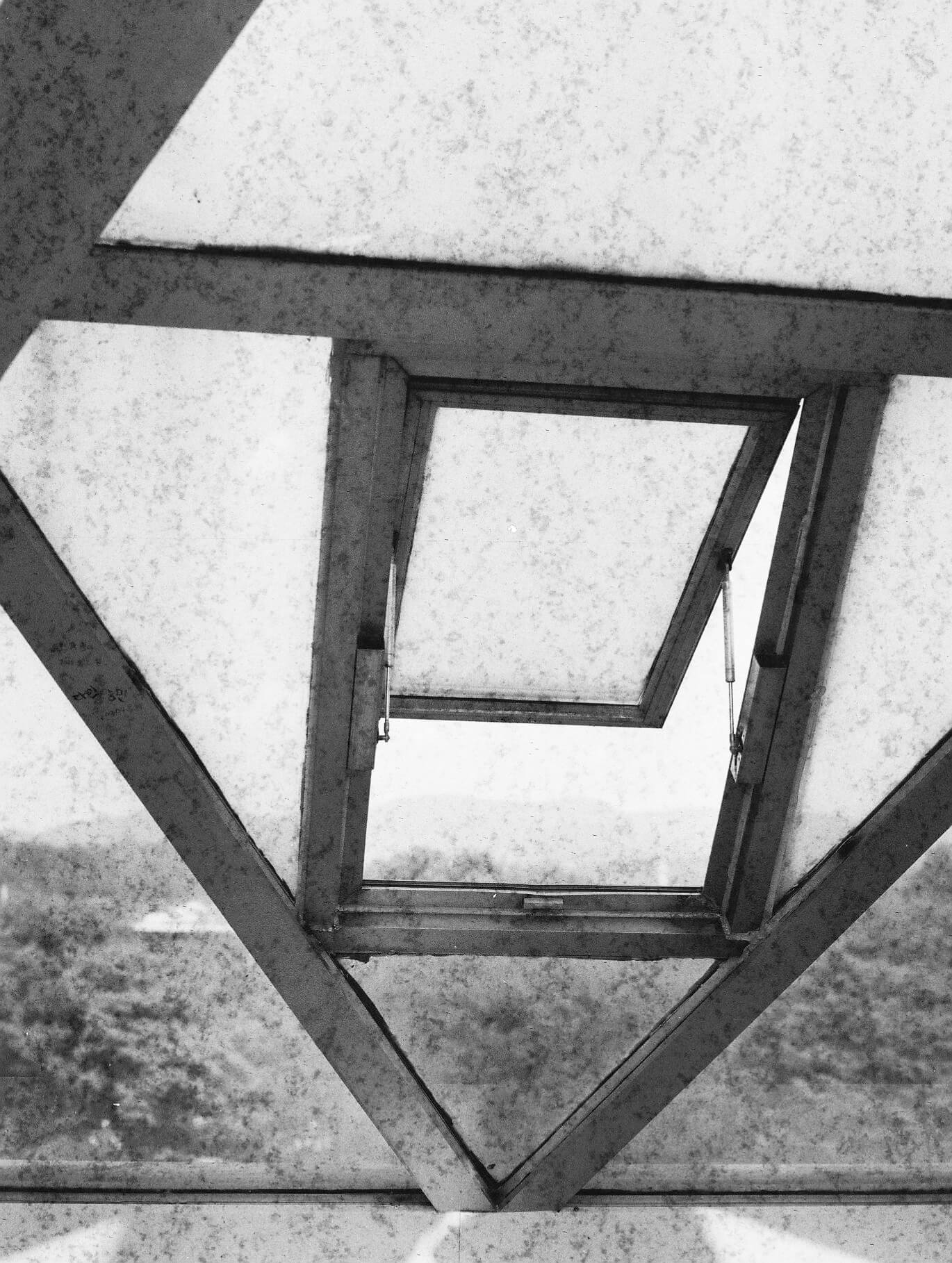
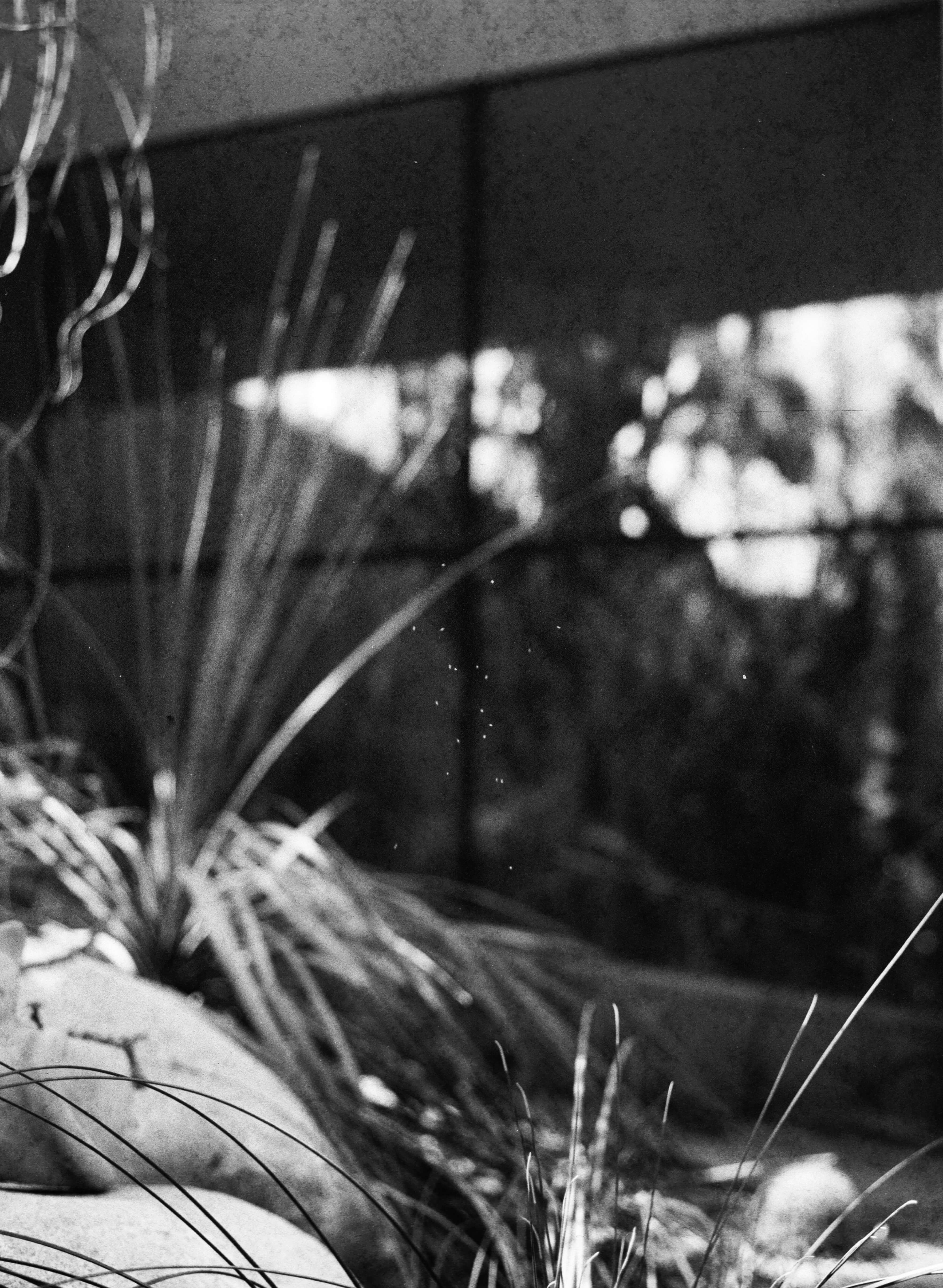
온실은 해가 잘 드는 곳에 있어야 한다. 겨울에는 한기를 막고, 온도와 습도, 빛과 통풍을 세심하게 조절해야 한다. 식물들의 생명이 안전하기 때문이다. 안에는 큰 바람 한 점 불지 않는다. 누군가 열어놓은 창으로 작은 바람만 드나들 뿐이다. 계절을 가늠하기 어려운 이곳에는 모든 계절이 다 있다. 아니, 사실은 어느 계절도 없으므로 모든 게 그대로일지 모른다. 이곳 안에선 너무 평화로운 나머지 아무 일도 일어나지 않을 것 같아 나름의 안도를 얻는다.
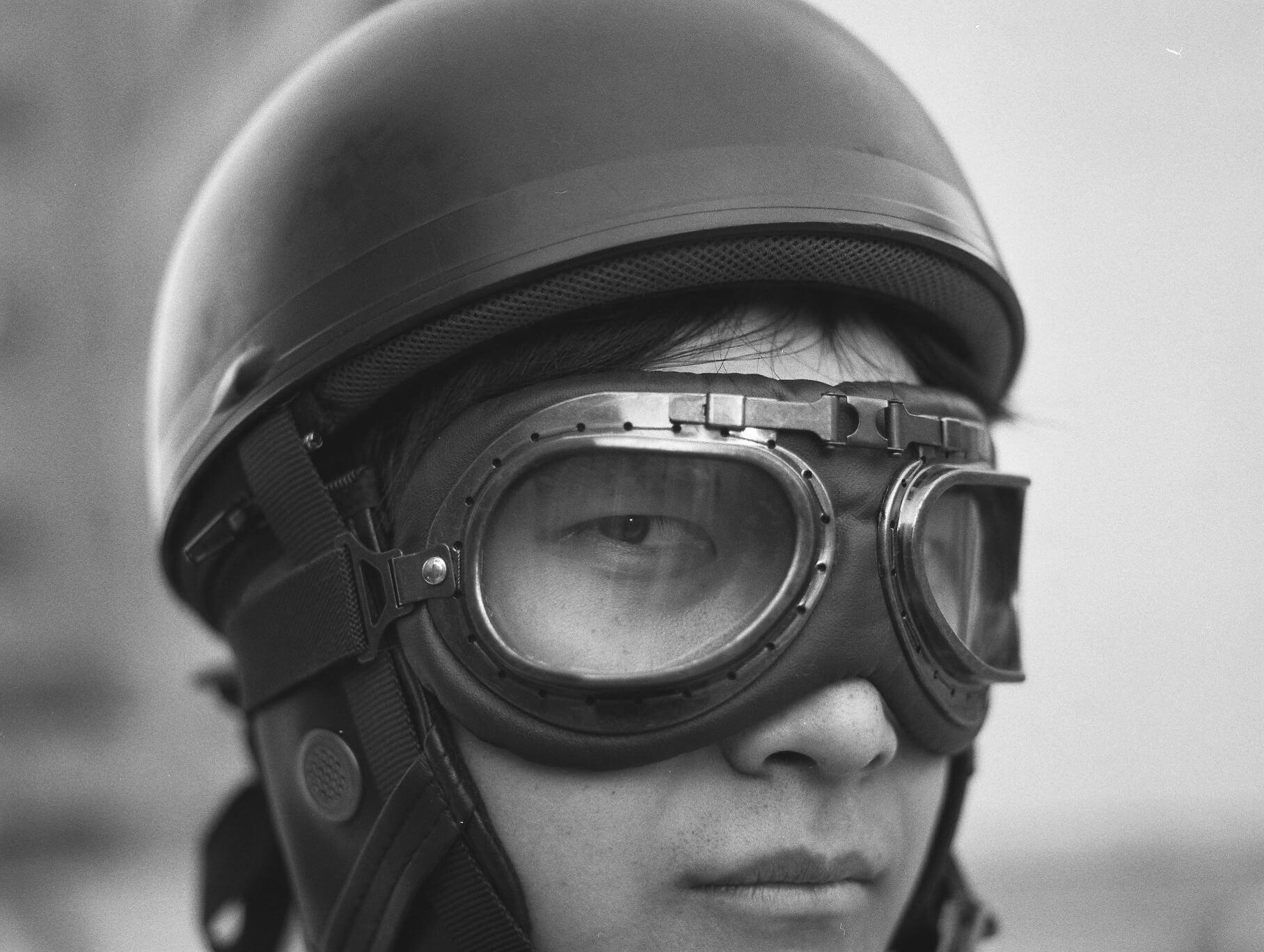
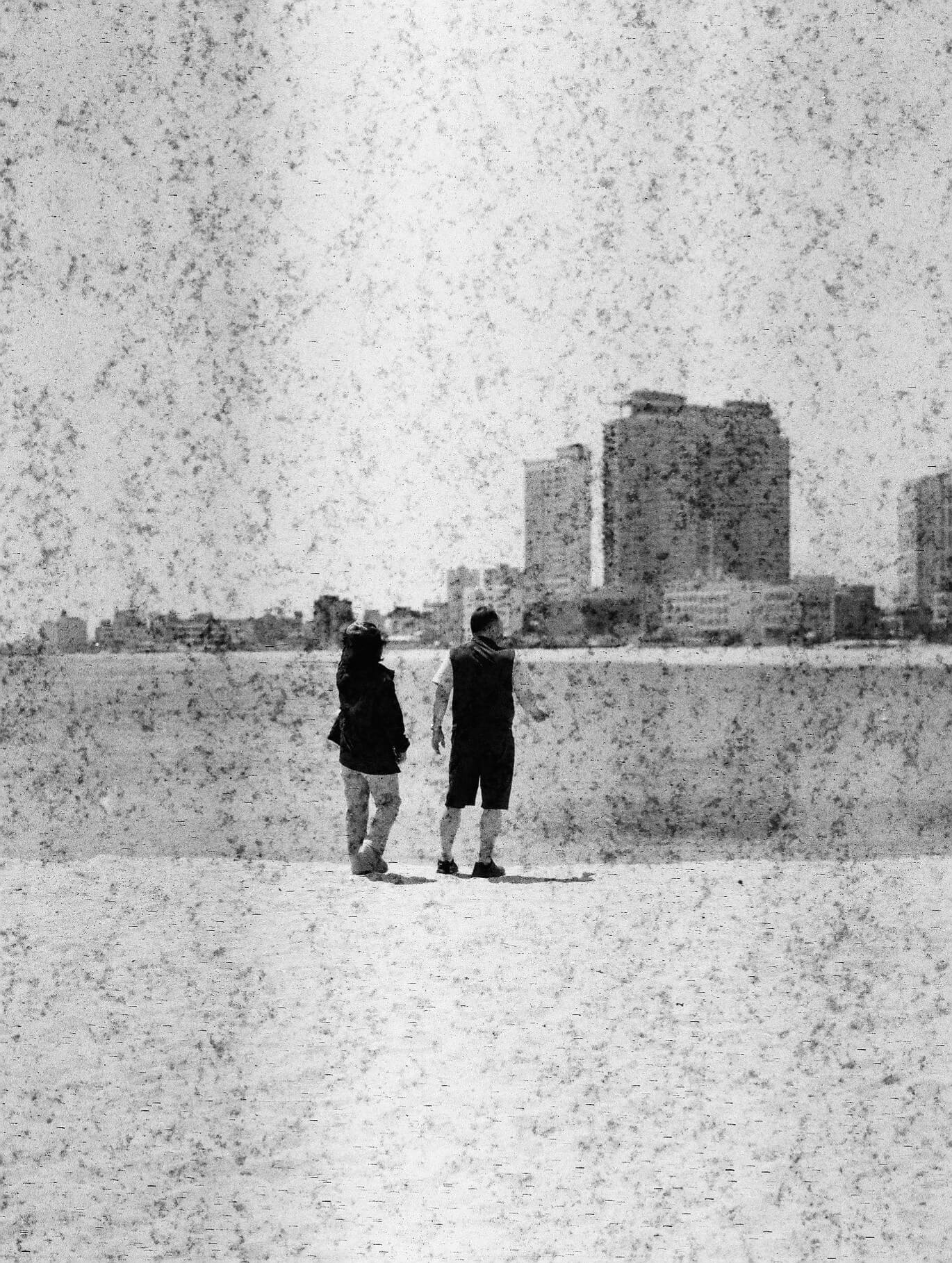
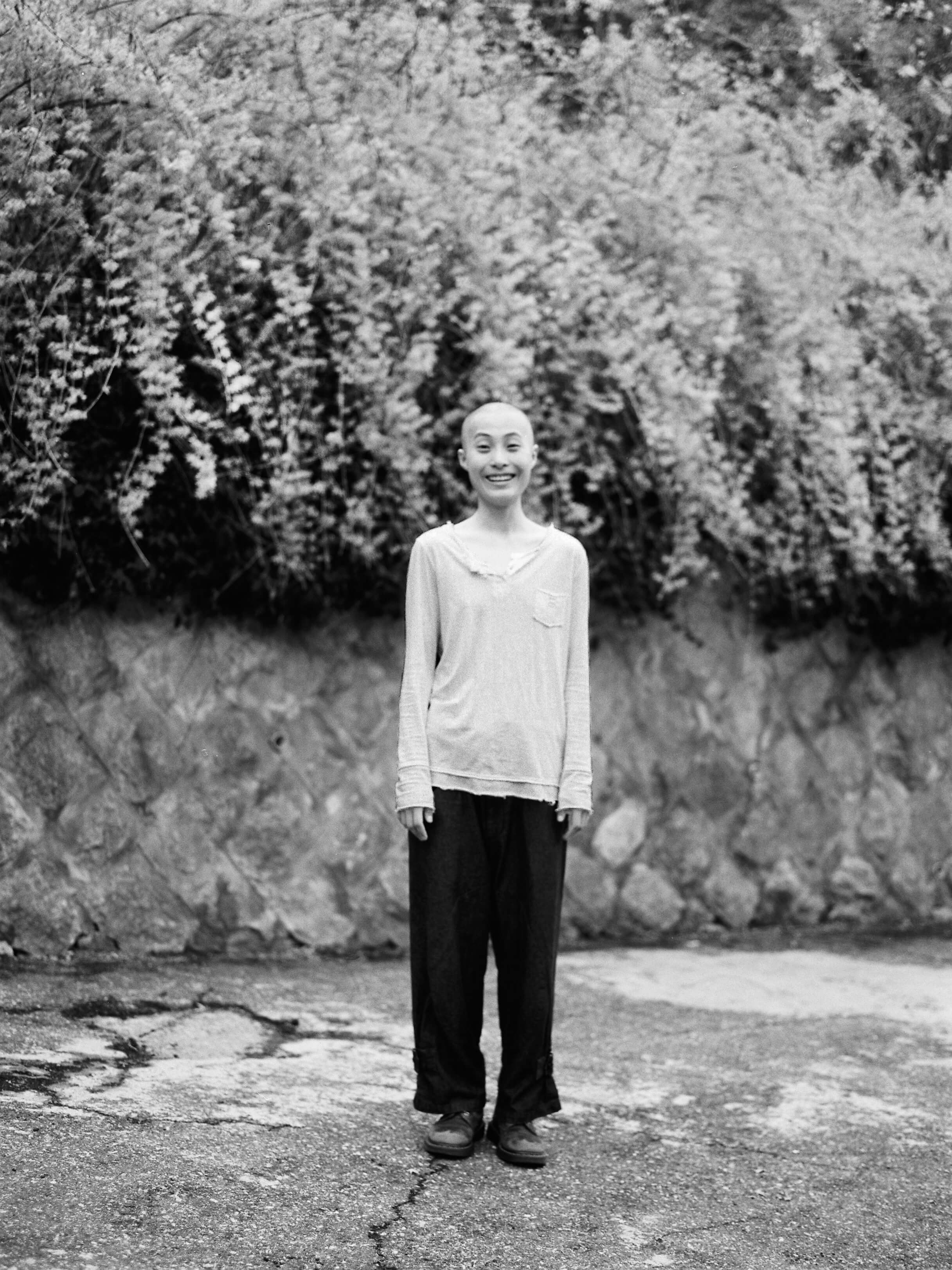
한동안 여러 온실을 다니며 자주 생각한 건 계절이었다. 계절은 끊임없이 순환하고 모습을 바꾼다는 사실을 알고 있다. 절기마다 다른 옷차림을 하고 있을 테지만 그것들에 무감각한 나 자신을 발견한 순간엔 아무것도 하기 싫었다. 나 또한 멈춰있었다. 가족은 날 바다로 데려가고, 친구와는 오토바이 뒷 좌석에 앉아 앞으로 길게 뻗은 은행나무길을 달렸다. 먼 타지에 있는 친구와는 서로 주운 가을 이파리를 바꿔 가지기도 했다. 그렇게 그들은 계절을, 다시 말하면 알록달록한 색채를 내게 보여줬다.
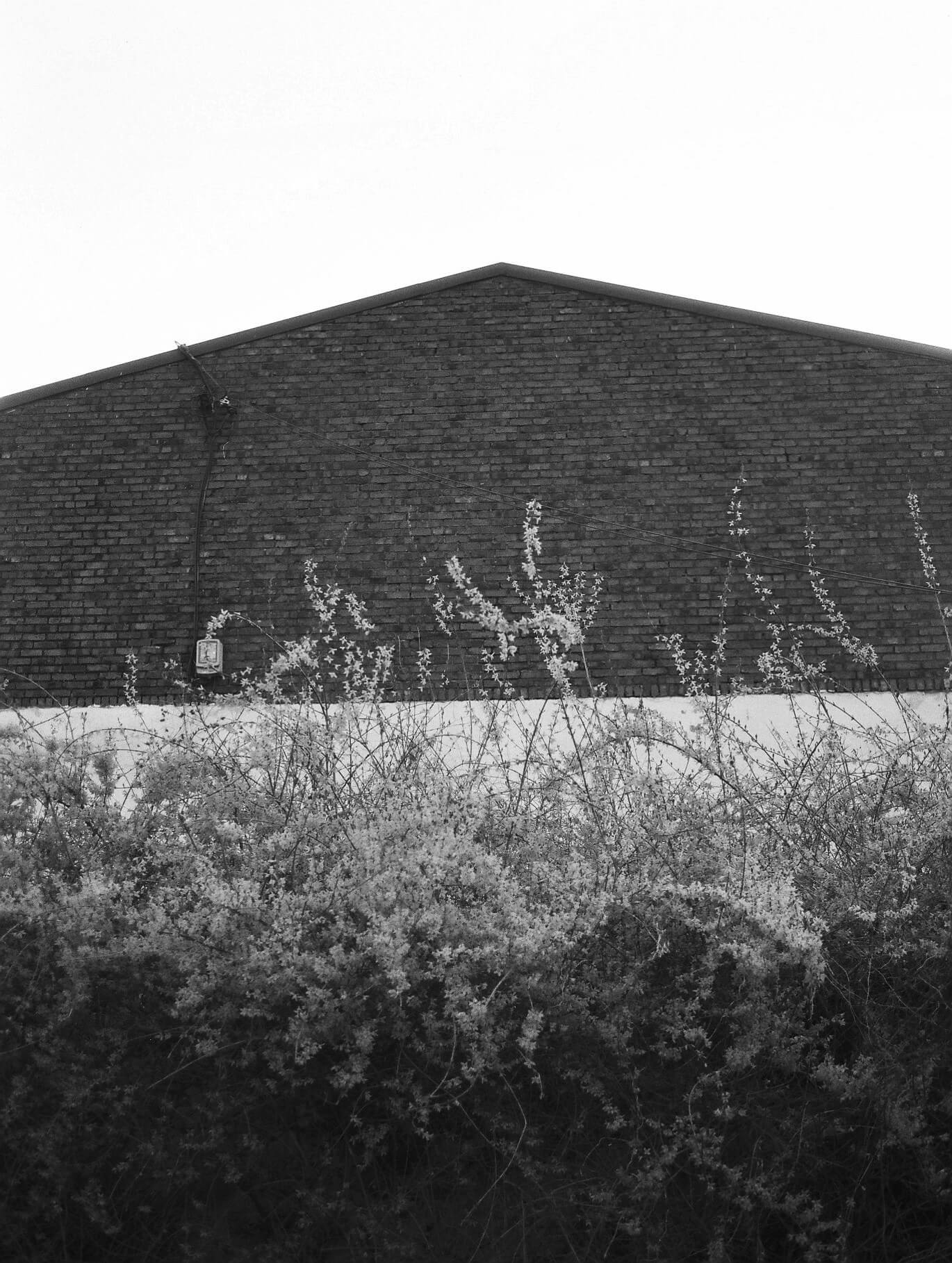
개나리를 보러 응봉산에 갔다. 멀리서 보이는 산 전체는 노랗게 물들어 있었다. 난 그 장면을 계절의 시작으로 받아들였다. 사람들은 응봉산이 봄이 '가장 먼저' 오는 산 이라고 말한다. 하지만 그것은 계절이 먼저 도착해서가 아니라, 색이 먼저 눈에 띄기 때문인지도 모른다.
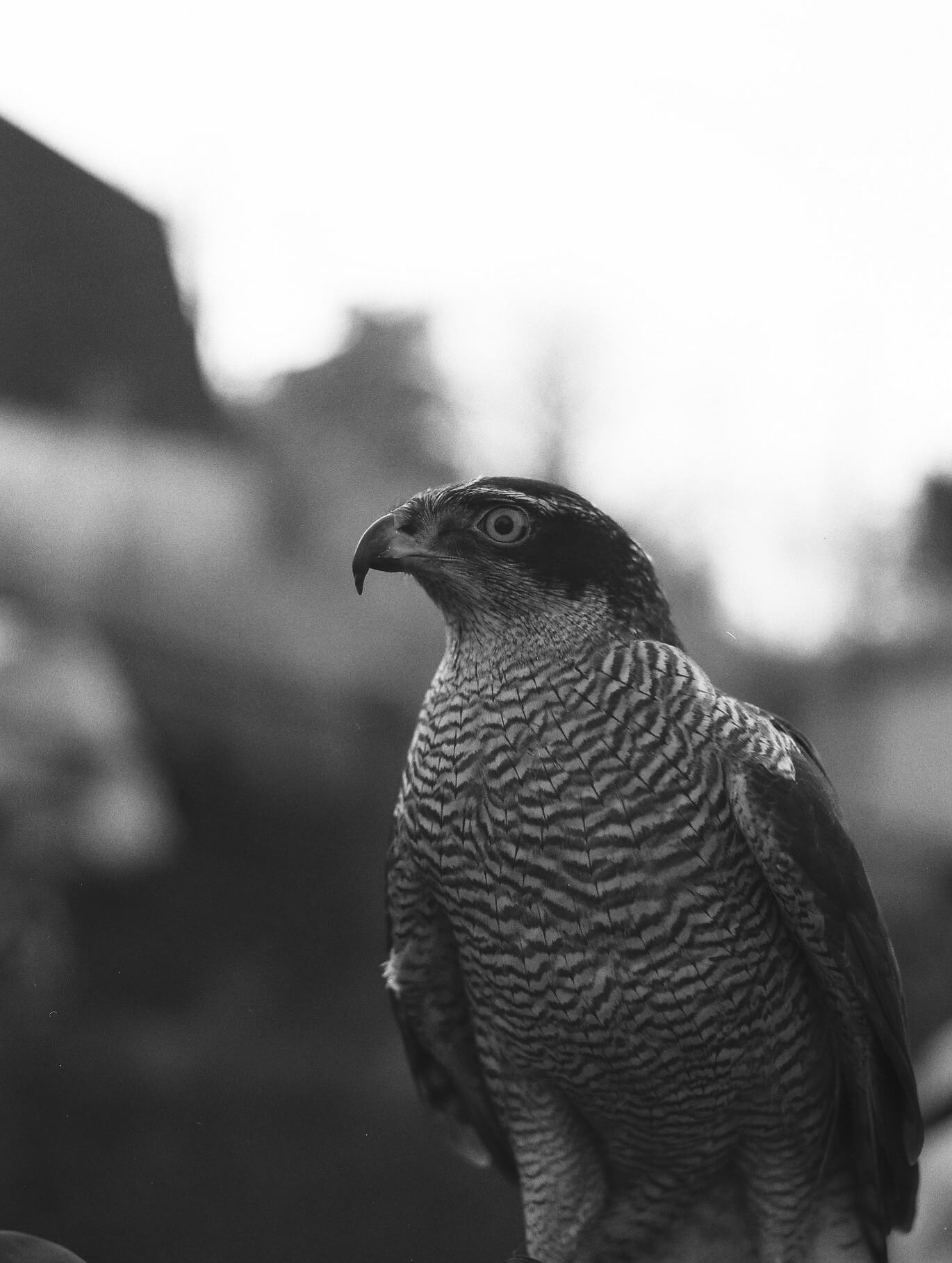
계단을 올라 도착한 쉼터에는 매를 훈련하는 청년이 있었다. 그는 재활을 마친 매를 다시 자연으로 돌려보낼 것이라고 했다. 그의 손에는 짧은 줄이 들려 있었고, 매는 그 끝에 묶인 채 가만히 서 있었다. 금방이라도 날아오를 것 같았지만, 매는 그자리에 머물러 있었다. 청년은 때가 되면 이 줄을 풀어준다고 했다. 나는 한동안 그 장면을 보고 서 있었다.
때가 되면 놓아준다니.그 청년의 말이 맞다. 모든 것은 순환한다 (할 수 있다). 내가 만난 계절처럼 그리고 온실에서 만난 빛과 그림자처럼, 그곳의 안과 밖을 드나드는 좁은 창문의 바람처럼. 그렇게 안과 밖은 분리될 수 없는 곳으로 향한다. 서로를 통해서만 존재할 수 있는 것처럼. 다른 두 개가- 그리고 하나가 다른 하나 없이는 나아갈 수 없다는 점에서 서로 응답하고 있는 두 가지 답을 하고 있는 것이다
There are times when I find myself wishing that nothing would happen. On such days, I lie on the sofa in my room, completely still. Even inside the house there are small noises and minor risks, but compared to the outside, it feels safer—simply because the degree is less.
One day, as I headed outside, I came across a greenhouse. A different humidity and temperature touched my skin, and the interior was filled with light. Because of this structure, one can see flowers inside even on days when white snow falls, and even when leaves outside turn red, the trees within remain green. The high ceiling amplifies distant sounds, and the plants stretch all the way up toward it.
A greenhouse must be placed where sunlight reaches well. In winter, it blocks the cold, and its temperature, humidity, light, and ventilation must be carefully controlled—for the safety of the plants’ lives. Inside, there is not even a strong wind. Only a faint breeze slips in through a window someone has left open. In this place, where it is difficult to grasp the season, all seasons seem to exist. Or perhaps, because there is no single season, everything simply remains as it is. Within this space, it feels so peaceful that it seems as though nothing will ever happen, and in that, I find a certain kind of relief.
For a while, as I visited various greenhouses, I kept thinking about seasons. I know that seasons constantly circulate and change their form. At each solar term, people wear different clothes, yet the moment I noticed my own indifference to these shifts, I felt unwilling to do anything. I, too, had come to a standstill. My family took me to the sea; with a friend, I sat on the back of a motorcycle and rode along a long stretch of ginkgo trees. With a friend far away, we exchanged fallen autumn leaves we had each picked up. In these ways, they showed me the seasons—colors unfolding in layers.
I went to Eungbongsan Mountain to see the forsythia. From afar, the entire mountain was washed in yellow. I accepted that scene as the beginning of a season. People say that spring comes “first” to Eungbongsan. But perhaps it is not that the season arrives earlier, but that its color is what first catches the eye.
At a resting spot at the top of the stairs, there was a young man training a hawk. He said that once the hawk completed its rehabilitation, it would be returned to nature. In his hand, he held a short line, and the hawk stood quietly at its end, tethered. It looked as if it might take flight at any moment, but it remained in place. He said that when the time comes, he would release the line. I stood there for a while, watching that scene.
“To release it when the time comes.” What he said felt right. Everything circulates (or can). Like the seasons I encountered, like the light and shadow within the greenhouse, like the breeze that passes through the narrow window between inside and outside. In this way, inside and outside move toward a place where they cannot be separated—existing only through one another. Two different things—and yet one, in that neither can move forward without the other—are responding to each other, as if offering two answers that are, in fact, the same.